MIDDLE AGES (529 – 1436)
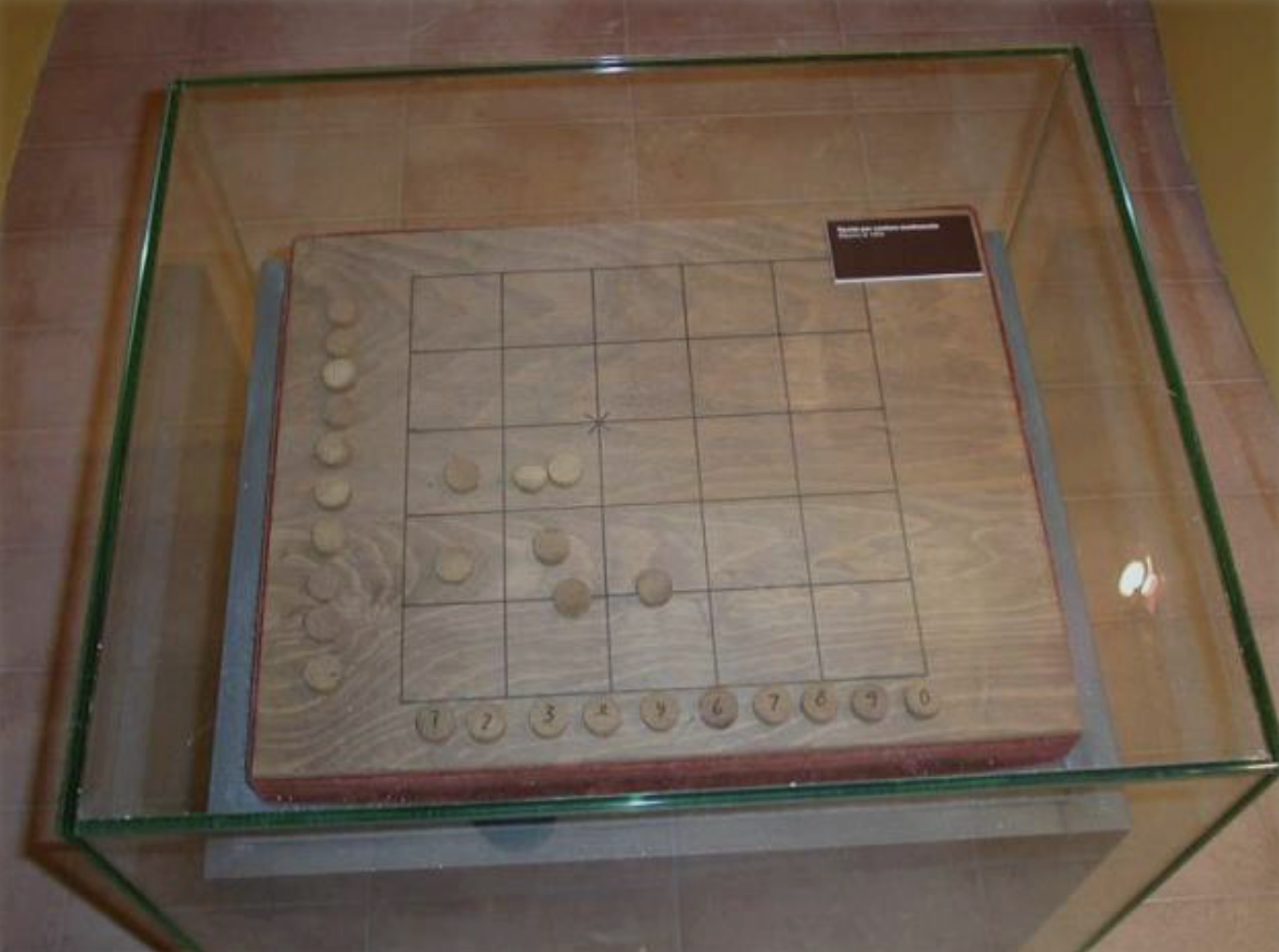
Floor 1The High Middle Ages was truly a dark age for science and mathematics. Around 1000 Gerberto introduced the use of Indoarabic figures in Europe.
Leonardo Pisano, called “Fibonacci” (1175-1240 circa), the European mathematician of Middle Ages, wrote the Liber Abaci and his description of the numberal system indo-arabico played an important role in the transmission of culture.
In the 12th century the era of great translations began, from Arabic in Latin and Greek in Latin, of the main scientific and mathematical treaties.
The first universities were born: Bologna, Paris, Oxford and Cambridge.
This ferment will take momentum in the 13th century, allowing the West to recover its scientific delay.
During medieval obscurantism i monasteries They preserved from destruction the most important works not only literary, but also scientific and mathematical.
In the Middle AgesUniversity I will long tolerate the private teaching of mathematics, excluded from cursus studiorum.
Fibonacci, in his Liber Abaci, argues the idea that arithmetic and geometry are connected to each other and strengthen each other. His description of the indo-arabic numeral system played an important role in transmitting culture.
English scholar Sacred (XIII century) wrote a work of great success, The common algorithm, which contributed significantly to spreading the use of Arabic figures in the West.